The Forgotten Years: Why Ages 6 to 10 Are Disappearing From Your Family's Photo Story
The Forgotten Years: Why Ages 6 to 10 Are Disappearing From Your Family's Photo Story
Pull up your phone's camera roll right now. Scroll back a few years. I'll bet you can find a hundred pictures from your kid's first birthday — the smashed cake, the wide eyes, the frosting on the nose. Scroll forward and you'll probably find prom photos, maybe a middle school graduation, a first day of high school with the backpack that was way too big.
But what about the Tuesday in second grade when your kid discovered they were obsessed with dinosaurs? The afternoon they figured out how to ride a bike without training wheels and cried from the shock of it? The way they still crawled into your bed on Saturday mornings at age 8, even though they were absolutely convinced they were too old for that?
For most American families, those years — roughly 6 through 10 — are a strange photographic dead zone. Not because nothing is happening. Because everything is happening, and somehow we've convinced ourselves it's not milestone-worthy enough to document.
The Milestone Trap
We've been trained, culturally, to point our cameras at the big moments. Birthdays with round numbers. First steps. Last days of school. The moments that come with balloons and cake and a clear before-and-after narrative.
But childhood doesn't actually work that way. The years between toddlerhood and adolescence are arguably the most character-defining stretch of a kid's entire life. This is when they develop their sense of humor. When they figure out what they're good at and what makes them feel embarrassed. When they start forming opinions about music, about food, about which friend group they belong to. When they go from being a small person who needs everything to a small person who has ideas.
And most of us are photographing approximately none of it with any real intention.
What 7 Actually Looks Like
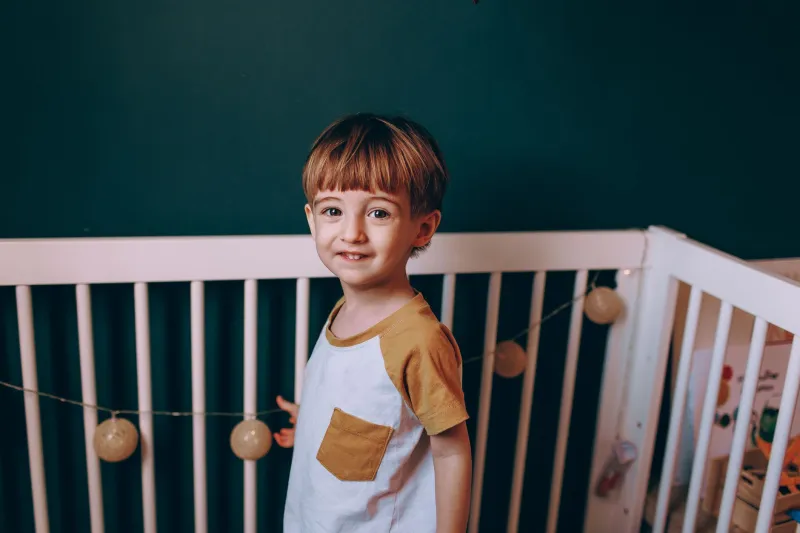
I've photographed a lot of families over the years, and the age range that consistently produces the most alive, most honest, most them images is somewhere between 6 and 10. Kids this age haven't yet learned to perform for a camera the way teenagers sometimes do. They're not babies who need to be propped up and kept awake. They're just fully formed little humans with opinions and jokes and a very specific way of holding their sandwich.
At 7, your kid probably has a best friend whose name you'll remember forever. They have a teacher who said something that changed how they think about math or reading or themselves. They have a favorite shirt they want to wear every single day, and a stuffed animal they'd die of embarrassment if their classmates knew about. They have a laugh that's entirely their own.
All of that is going to be gone before you have time to miss it. Not dramatically, not all at once — just quietly, the way things change in the middle years. One day you'll look up and realize they don't do the thing anymore. And you won't have a single photo of the thing.
The School Year Is Full of Photographs You're Not Taking
Here's where I'd push back on the idea that ordinary life isn't worth documenting. The school year — with its routines, its rituals, its homework battles and Friday-night pizza traditions — is actually one of the richest photographic environments your family has.
The backpack by the door. The reading corner they've claimed as theirs. The art project drying on the kitchen table. The way they look when they're concentrating hard on something, tongue slightly out, completely unaware of you. These are not filler moments. These are the texture of who your child is right now, in this specific year, at this specific age.
You don't need a professional shoot (though those are wonderful) to start capturing this. You need to pick up your phone — or your camera, if you've got one — during the unremarkable hours and start treating them like they matter. Because they do.
A Few Ways to Start
Follow their obsessions. Whatever your kid is into right now — Minecraft, sharks, drawing horses, making slime — photograph them in the middle of it. Not posed. Just doing the thing. That obsession is going to shift, and the intensity of it right now is something you'll want to remember.
Photograph the routines. Morning cereal. Homework at the kitchen table. The specific way they put on their shoes. Routines feel boring to photograph because they happen every day, but that's exactly what makes them valuable. These are the rhythms of your family's actual life.
Get close to their face. Kids this age are expressive in ways that are entirely their own. Catch them mid-laugh, mid-thought, mid-argument with a sibling. The face of a 7-year-old who has just heard something surprising is one of the most photographically alive things I know.
Let them be bad at stuff on camera. The failed attempt at a cartwheel. The board game that ended in tears. The science fair project that didn't quite work. These are the images that will make you laugh and ache in equal measure twenty years from now.
Don't wait for the weekend. Tuesday evening is a real day. Wednesday morning before school is a real moment. Some of the most honest family images I've ever made happened on a completely ordinary weeknight.
The Archive Your Future Self Is Asking For
When I talk to parents of teenagers or grown kids, the years they describe with the most wistfulness are almost always the elementary school years. Not because those years were easier, but because they were so specific, so full of personality, so entirely unrepeatable.
The kid who turned 7 this year is not going to be 7 again. That sounds obvious, but it's worth sitting with. The version of your child that exists right now — with this haircut, this best friend, this favorite book, this laugh — has an expiration date.
You don't have to photograph every moment. You just have to decide that the middle years are worth showing up for with your camera in hand. That the birthday nobody makes a big deal about is still a birthday worth remembering. That the ordinary Tuesday your kid comes home from school talking a mile a minute about something that happened at recess is a moment that deserves to live somewhere beyond your memory.
Light and time move fast. The years between 6 and 10 move faster than most. Point your camera there, and don't wait for the cake.