Stop Chasing Sunsets: How Harsh Midday Light Is Producing the Most Honest Portraits You'll Ever See
The Rule Everyone Follows (And Why Breaking It Matters)
Ask any photography instructor what the cardinal sin of outdoor portraiture is, and they'll tell you the same thing without hesitation: shooting in midday light. The sun is overhead, the shadows are brutal, the contrast is extreme, and skin tones look washed out or blotchy. The advice is so universal it's practically gospel — pack up your gear before 10 a.m., come back at 4 p.m., and let the golden hour do the heavy lifting.
But here's the thing about rules in photography: the photographers who make genuinely unforgettable images are usually the ones who understand why the rules exist — and then choose to ignore them anyway.
At Kelcy Leigh Photography, the approach has never been about chasing the safest, prettiest version of a moment. It's about finding the truest one. And sometimes, that truth lives in the sharp, uncompromising light of high noon.
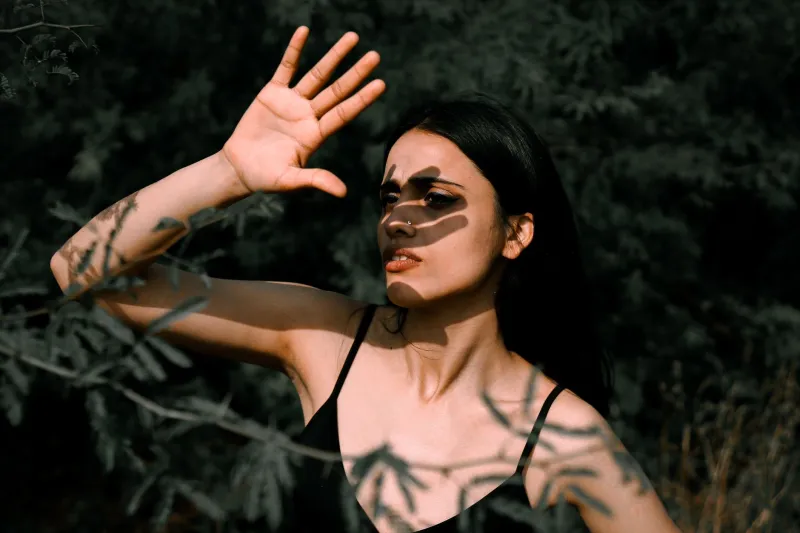
 Photo: Kelcy Leigh Photography, via cdn.talentplatforms.net
What Harsh Light Actually Does to a Portrait
Midday sun isn't subtle. It doesn't flatter in the conventional sense. It cuts hard shadows under eyes, accentuates texture, and creates contrast that can feel almost confrontational. For photographers trained to minimize all of that, it reads as a problem to be solved.
But flip the perspective for a second. That same contrast creates dimension. Those deep shadows carve out cheekbones and jawlines with a sculptural quality that soft, diffused light simply can't replicate. The intensity of direct sun can make colors pop in ways that golden hour warmth tends to muddy with its orange glow. And the emotional register of a portrait shot under harsh light? It's rawer. More immediate. Less like a greeting card and more like a confession.
Think about the iconic portraiture work coming out of the American Southwest — the desert light in Arizona or New Mexico at midday is absolutely relentless, and yet some of the most striking editorial and fine art portraits in recent memory have been made in exactly that environment. The harshness isn't incidental. It's the point.
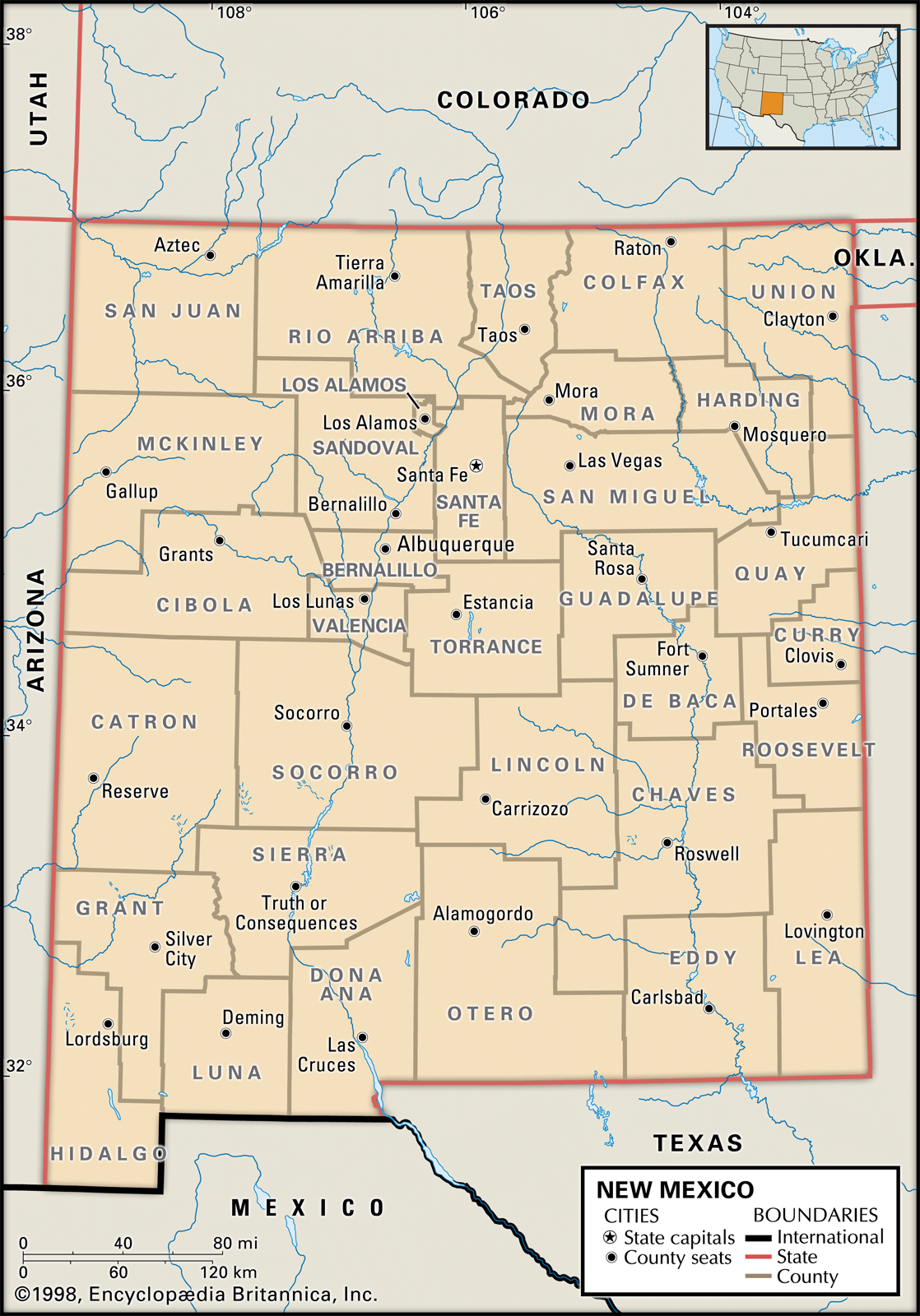 Photo: New Mexico, via cdn.britannica.com
Tools That Let You Control the Chaos
Working with midday light isn't about abandoning craft — it's about expanding your toolkit. Here are some of the techniques that make harsh light not just workable, but genuinely exciting.
Diffusion panels and scrims. A 5-in-1 reflector used as a diffusion scrim held between the sun and your subject softens the direct light without eliminating its directionality. You get that sculpted quality without the eye-socket shadows that make subjects look like they're auditioning for a Halloween costume. It takes an extra set of hands or a solid light stand, but the results are worth the setup.
Shade as a directional light source. Open shade — the kind you find on the north side of a building or under a large overhang — becomes a massive, beautiful softbox under midday conditions because the sky above is so intensely bright. The light wraps beautifully, and the catch lights in the eyes are often more interesting than what you'd get from the sun directly. This is a go-to approach for lifestyle and portrait work in urban environments.
Leaning into the shadows intentionally. Rather than fighting the harsh shadows created by overhead sun, position your subject so those shadows become compositional elements. A stripe of light across a face, a hard shadow thrown against a textured wall behind the subject — these aren't mistakes. They're storytelling devices. The key is intentionality. Place the shadow where you want it, not where the sun happens to put it.
Backlighting at midday. Turning your subject away from the sun and exposing for their face creates a rim-lit effect that's completely different from golden hour backlighting. The halo is brighter, crisper, and the overall image has an energy that feels electric rather than dreamy. It requires careful metering and often a reflector or fill flash to keep the face properly exposed, but the look is unlike anything you'd get at sunrise or sunset.
Location Scouting Changes Everything
The difference between midday light being a disaster and midday light being extraordinary often comes down to location scouting done before the shoot. When you're planning a session for golden hour, almost any outdoor location will look reasonably good — the light is forgiving enough to compensate for a mediocre setting. Midday light is less generous. It will expose every weakness in your location choice.
But it will also reward a great location in ways golden hour simply can't. Industrial spaces with interesting architecture, urban alleys with textured walls, open desert landscapes, rooftops — these environments come alive under direct overhead sun in ways that feel flat and lifeless during the soft, directional light of early morning or late afternoon.
When scouting for a midday session, look for locations that offer some control: partial shade you can move in and out of, reflective surfaces that can bounce fill light naturally, architectural elements that create interesting shadow patterns. Think of yourself less as a photographer waiting for the light to be right and more as a lighting director working with what the environment gives you.
The Emotional Argument for Difficult Light
Beyond technique, there's a deeper reason to embrace harsh light in portrait work. The images it produces feel different — not better or worse than golden hour portraits in an absolute sense, but emotionally distinct in a way that matters for visual storytelling.
Golden hour photographs are beautiful, and beauty has its place. But they also carry a certain nostalgic softness that can tip into sentimentality. The warmth of that light communicates something specific — safety, romance, the idealized version of a moment.
Harsh midday light communicates something else entirely. It says: this is real. This is now. There's nowhere to hide in this light, and that vulnerability — that exposure — can translate into portraits that feel genuinely intimate in a way that's hard to manufacture under more flattering conditions.
For subjects who are willing to lean into that discomfort, the results can be extraordinary. The best portrait photographers aren't just lighting technicians — they're storytellers. And sometimes the most honest story gets told not at sunset, but at noon, when the light is at its most unsparing and the truth has nowhere to go but straight into the lens.
A Different Kind of Beautiful
None of this is an argument against golden hour. Those images are gorgeous for a reason, and there will always be a place for them. But if you've found yourself scheduling every shoot around a two-hour window at the end of the day, it might be worth asking what stories you're leaving untold the rest of the time.
The photographers pushing the boundaries of portrait work right now aren't waiting for perfect conditions. They're finding ways to make every hour of the day an opportunity — and discovering that the light everyone else avoids might be exactly what makes their images impossible to ignore.