The Blurry Ones Are the Keepers: Why Accidental Photos Hold the Most Heart
You know the one. It's sitting somewhere in the middle of a camera roll full of carefully composed shots — maybe from a birthday party, a road trip, or just a random Tuesday afternoon. Nobody posed for it. The lighting is a mess. Someone's eyes are half-closed. And still, every time you scroll past it, something in your chest does a little thing.
That photo wasn't planned. You almost didn't take it. You definitely considered deleting it.
But here you are, years later, and that's the one you'd save first if your phone was about to die.
There's something worth paying attention to there.
Why Our Brains Fall for the Unscripted
Memory is a funny thing. We tend to think of it as a filing system — organized, accurate, retrievable. But research in cognitive psychology tells a different story. Our brains don't store moments like photographs. They store feelings. Sensory details. The emotional weight of a moment.
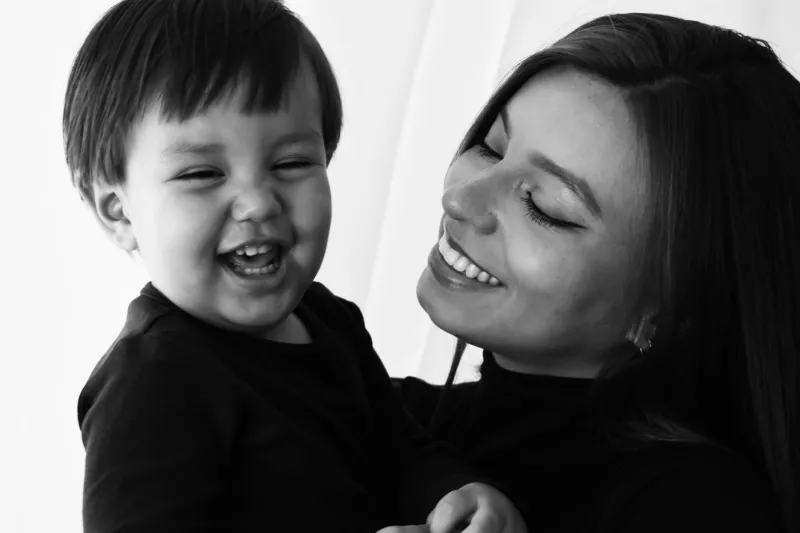
And here's the thing: a perfectly posed photo doesn't always carry that weight. When everyone's smiling on cue, chin slightly down, eyes toward the lens, the image looks great — but it can feel a little hollow over time. It's a record of how you wanted to look, not necessarily how you actually felt.
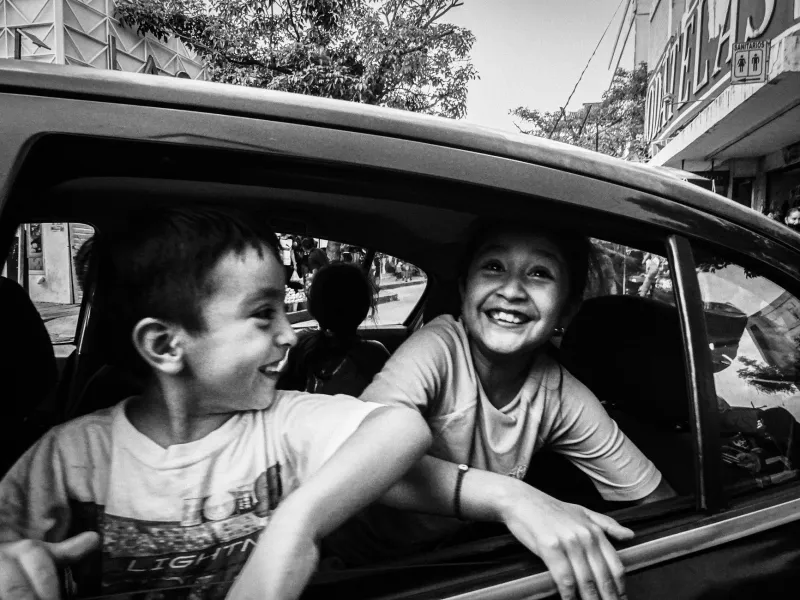
A candid shot, though? That's different. The laughing fit in the backseat of a car somewhere in rural Tennessee. Your dad asleep on the couch with the dog on his chest. Your kid mid-run, arms blurred, mouth wide open. Those images bypass the brain's logical filters and go straight to the gut. They feel true in a way that staged photos sometimes can't quite reach.
Psychologists call this the "peak-end rule" — we tend to remember experiences based on their emotional peaks, not their averages. The accidental photo often captures exactly that: the peak. The moment that was too real to plan.
The Car Ride Photo Is Always the Best Photo
Ask any photographer — professional or amateur — and they'll have a version of this story. The shoot went great, the lighting was beautiful, the client was wonderful. And then on the way back to the car, someone said something that made the whole group lose it, and you grabbed your phone and caught it, blurry and backlit and absolutely perfect.
That's the shot that ends up on the wall.
There's a reason road trips produce some of the most emotionally resonant family photos in existence. Nobody's performing. The guard is down. People are tired, a little bored, maybe a little giddy from too many gas station snacks. And in that unguarded space, something real shows up — a look between two people, a kid pressed against the window watching the world go by, a hand reaching across the center console.
You can't direct that. You can only be ready to catch it.
Stop Treating "Imperfect" Like an Insult
We've been conditioned — especially in the age of Instagram — to equate image quality with image value. Sharp focus. Clean backgrounds. Good exposure. And look, those things matter in certain contexts. But when it comes to the photos that actually mean something to you and your family, technical perfection is way down the list.
Grain can feel like warmth. Motion blur can feel like aliveness. An overexposed sky can feel like summer. These so-called flaws are often what give a photo its texture — the visual equivalent of a worn-in favorite sweatshirt versus something straight off a department store rack.
When you delete every imperfect photo, you're not curating your memories. You're sanitizing them. And sanitized memories have a way of feeling a little distant over time, like they happened to someone slightly different from you.
Keep the blurry ones. Keep the weird angles. Keep the one where your sister's making a face and the exposure is completely off but you can see the ocean behind her and you remember exactly what the air smelled like that day.
How to Start Seeing Spontaneous Shots Differently
You don't have to overhaul your whole approach to photography to start valuing the unplanned moments. A few small shifts in perspective can make a big difference.
Lower the stakes of picking up your camera. If you only reach for it during "official" photo moments, you'll miss everything in between. Keep your phone accessible, keep a small camera in your bag, and give yourself permission to shoot without a plan.
Resist the immediate delete. After a shoot or a family outing, don't cull aggressively right away. Sit with the photos for a few days. The ones that keep pulling you back — even the technically rough ones — are telling you something.
Look for emotion first, composition second. When you're reviewing images, ask yourself: does this photo make me feel something? If the answer is yes, that photo has earned its place in your collection, regardless of whether it would win any awards.
Start a "keeper" folder for the imperfect ones. Seriously. Create a separate album on your phone or in Lightroom just for the candid, accidental, beautifully messy shots. Over time, that folder will become one of your most treasured archives.
The Photos That Outlast the Posed Ones
Here's what I've seen again and again, both in my own work and in the stories clients share with me: the posed photos get framed first. They're the ones that go on the mantle, get sent to grandparents, end up in the holiday card.
But the accidental ones? Those are the ones people bring up ten years later. Those are the ones that get passed around at family dinners. Those are the ones someone finds on an old hard drive and texts to the whole group chat at midnight because they couldn't believe they almost forgot that moment existed.
A photograph doesn't have to be flawless to be irreplaceable. In fact, some of the most irreplaceable images ever made — in family albums across this country, not just in museums — are the ones nobody planned to take.
So the next time the light is wrong, the moment feels too small to bother with, or you almost put your phone away because it doesn't seem like a "real" photo opportunity — take the shot anyway.
You might just be making a future favorite.