The Magic Lives in the Mess: How Unplanned Moments Become Your Most Treasured Photos
Here's something I've noticed after years behind the lens: the photo a family points to first — the one that gets printed big, hung in the hallway, shown to every guest — is almost never the one we carefully set up. It's the one that just happened.
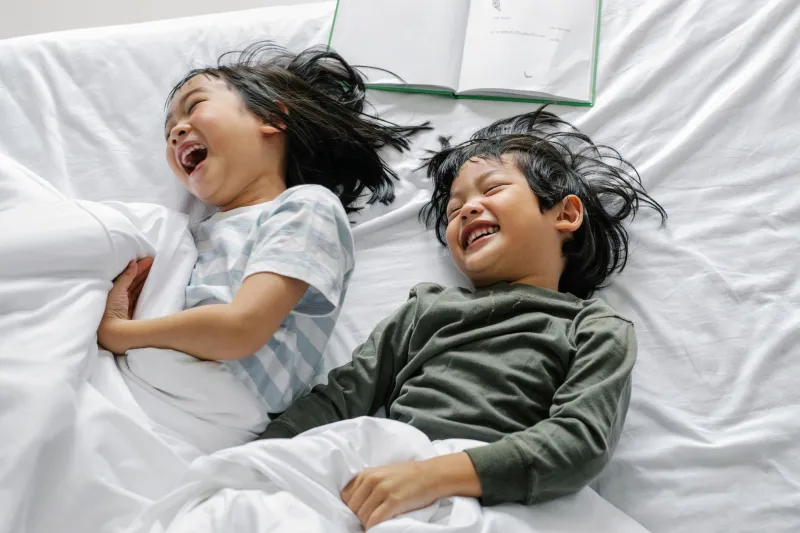
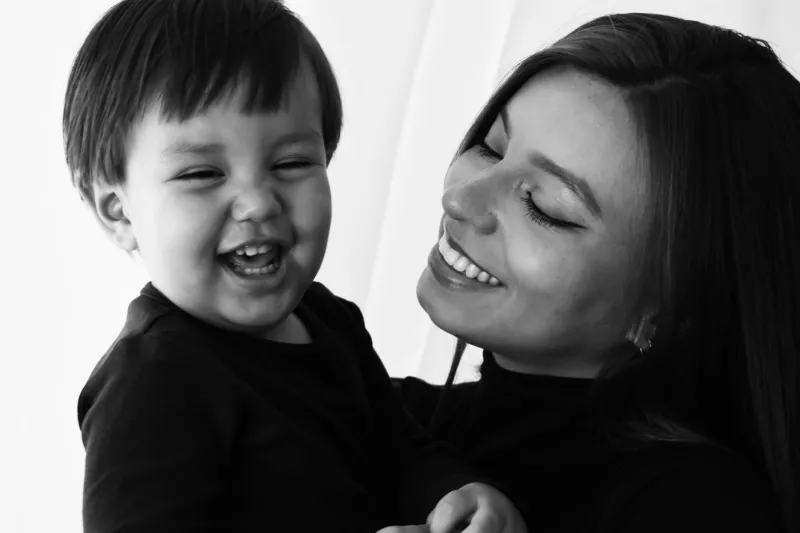
Maybe someone sneezed at the wrong moment and everyone dissolved into laughter. Maybe the family dog bolted into the frame and knocked the whole composition sideways. Maybe a kid looked up at their parent for half a second with an expression so full of love it almost didn't seem real.
Nobody planned it. Nobody could have.
And yet — there it is. The most honest picture in the whole gallery.
Why Staged Perfection Feels Flat
There's nothing wrong with a well-composed portrait. Clean lines, flattering light, everyone looking at the camera with a genuine smile — that's a beautiful thing, and it takes real skill to pull off. But if you scroll through any family's photo album and ask them which images actually move them, you'll find a pattern pretty quickly.
The staged ones look great. The unplanned ones feel like something.
The reason has a lot to do with how we're wired as humans. We read faces and body language constantly, and we're very good at detecting performance versus presence. When someone is posing, there's a subtle tightness — in the jaw, in the shoulders, in the eyes. When someone forgets they're being photographed, that tightness disappears, and what's left is just... them.
That's what the camera catches. That's what makes you catch your breath when you're scrolling through your gallery three weeks after your session.
The Toddler Who Wandered In and Stole the Whole Show
I was shooting a portrait session with a couple in their backyard last summer — golden hour, everything looking gorgeous, both of them relaxed and comfortable. We were getting some genuinely lovely shots. Then their three-year-old, who had been playing inside with a grandparent, escaped through the back door and came sprinting across the lawn in mismatched socks, arms wide open, heading straight for her parents like they'd been gone for years instead of twenty minutes.
I almost called a timeout. Instead, I kept shooting.
The image of her dad scooping her up mid-sprint, the mom reaching in from the side with her hand over her mouth laughing — that ended up being the centerpiece of their entire gallery. The couple told me later it was the most "them" photo they'd ever seen.
Nothing about that moment was planned. Everything about it was true.
Surrendering Control Is Actually a Skill
Here's the part that surprises people: letting go of the script isn't passive. It's one of the hardest things a photographer can learn to do.
When you're directing a session, you're in control. You're managing light, positioning, expression, timing. Your brain is running a checklist. That feels productive, and often it is.
But there are moments — and you learn to feel them coming — when the session starts to breathe on its own. Something shifts. People stop thinking about the camera. A real conversation starts. A kid says something ridiculous and the adults crack up. Two people share a look that wasn't meant for you at all.
If you're still in director mode when that happens, you'll miss it. You'll call everyone back to their marks, you'll reset the pose, and the moment will be gone.
Knowing when to put down the checklist and just witness — that's the craft. It takes experience to recognize the shift, and it takes confidence to trust that what's unfolding in front of you is better than whatever you had planned.
How to Create Space for the Unexpected
This doesn't mean showing up to a session with no plan. Structure actually gives you the freedom to improvise. When the technical side is handled — you know your light, you've scouted the space, you've got your gear dialed in — your brain has room to stay present and responsive.
A few things that genuinely help:
Give people something to do, not something to be. Instead of saying "stand here and look at each other," try "tell me how you two met" or "show me how you actually hug." Action creates authenticity. When people are doing something real, their faces reflect something real.
Build in unstructured time. Some of the best shots come from the in-between moments — when you're walking to the next spot, when someone's fixing their hair, when the kids are just running around. Keep your camera up. Keep your eyes open.
Let the session run a little loose. Not chaotic, but loose. If someone goes off-script, follow them. If a moment starts happening in the corner of the frame, swing toward it. The plan is a starting point, not a ceiling.
Resist the urge to fill silence. Photographers — myself included — sometimes talk too much during sessions because silence feels like something going wrong. But silence is often where the real moments live. Let it breathe.
What These Photos Actually Give You
There's a reason the unplanned shots end up on the walls. They're not just technically good images — they're evidence. Evidence of who your family actually is, how you actually laugh, what your kids actually look like when they're just being themselves without anyone telling them to smile.
Years from now, when your kids are grown and you're looking back at these photos, you won't be thinking about whether the lighting was perfect or whether everyone's outfit coordinated. You'll be thinking about how small they were. How loud they laughed. How they looked at you.
That's what a photograph is really for. Not to show what things looked like — but to make you feel what things felt like.
The mess, the detours, the moments that broke the plan — those are the ones that carry the most weight. And the best thing a photographer can do is stay ready when they arrive.
Because they always do.