Shooting for Someone Who Can't Be There: The Quiet Practice of Photographing Your Kids for the Grandparent Who's Gone
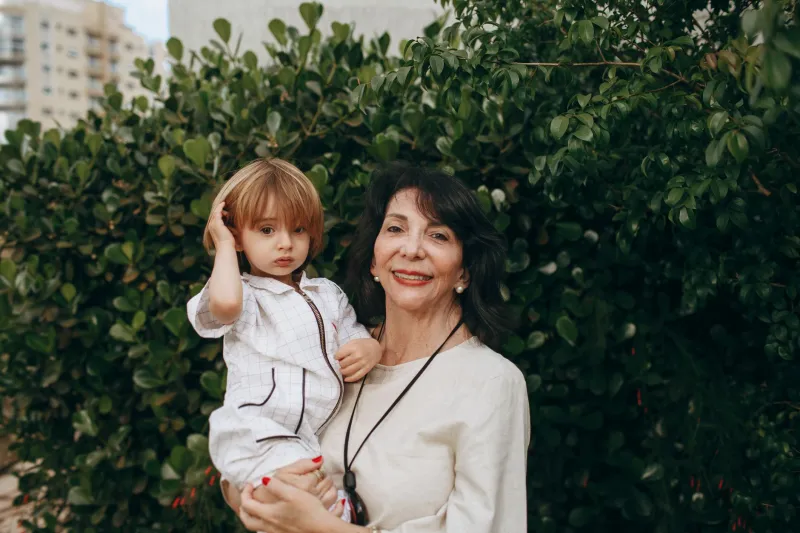
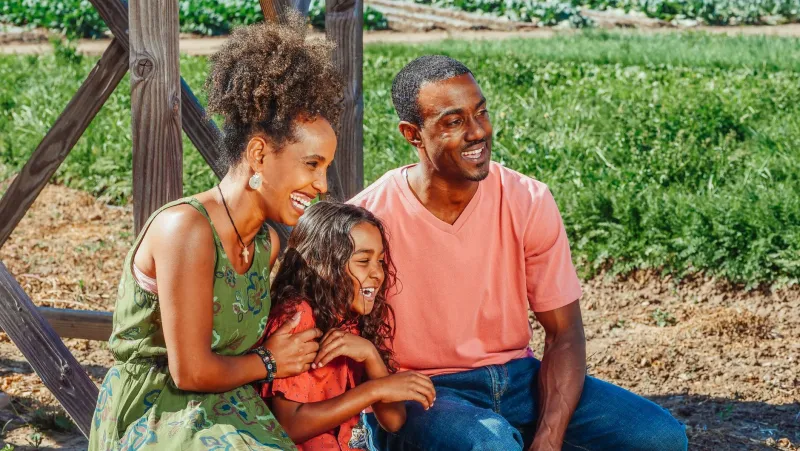
There's a woman named Denise in central Ohio who books a portrait session every single year on her mother's birthday. Her kids — now eleven, eight, and five — know the routine. They get dressed up, they drive to the park where their grandmother used to take long walks, and they let a photographer capture them in the light of a late afternoon. The prints go into an album Denise started the year her mother died, two months before her youngest was born.
"She never got to see his face," Denise told me once. "So I photograph him for her."
I think about that a lot.
The Absence That Sits in Every Frame
Grief doesn't follow a schedule. It shows up at birthday parties, at kindergarten graduations, at the first soccer game of the season — all the moments you desperately wish someone specific could witness. For many families, that absence belongs to a grandparent who died before a child was old enough to remember them, or before the child was even born.
What do you do with that? You can't fill the seat. You can't rewind time. But some families have found something quietly profound in the act of photographing their children with intention — not just to document a milestone, but to send a visual letter to someone who isn't here to receive it.
It sounds like a small thing. It isn't.
When a Portrait Becomes a Bridge
There's a concept in grief therapy sometimes called "continuing bonds" — the idea that relationships with the deceased don't simply end, but evolve. We keep talking to people we've lost. We wear their jewelry. We cook their recipes. We whisper their names to our children at bedtime.
Photography, it turns out, fits naturally into that same space.
When a parent steps into a portrait session thinking I want Grandma Ruth to see how tall he's gotten, something shifts in how they engage with the whole experience. They're no longer just trying to get a decent shot before the kids get cranky. They're trying to show someone something. That intention brings a kind of tenderness to the session that's hard to manufacture any other way.
I've photographed families who bring a small object belonging to the person they've lost — a piece of jewelry, a handkerchief, a worn paperback. It sits just out of frame, or sometimes right in the middle of it. One family in Nashville asked me to photograph their daughter holding her late grandfather's fishing hat. She'd never met him. She held it like it was something holy.
The Kids Know More Than You Think
Here's what surprises parents most: when you explain to children why you're doing this — when you say we take these pictures because Great-Grandpa never got to see you, and we want him to know who you are — kids don't find it strange. They find it meaningful.
Children are remarkably comfortable with the idea of communicating across impossible distances. They talk to the moon. They leave notes for the tooth fairy. Explaining that a photograph can be a message to someone in a different kind of place isn't a stretch for them — it's intuitive.
One mother told me her seven-year-old spent the entire drive to their session deciding what she wanted her late grandmother to know about her. By the time they arrived, the little girl was practically buzzing with things she wanted to show. The resulting images were some of the most alive, most present photographs I've ever seen of a child that age.
How to Create a Session With Someone in Mind
You don't need a formal ritual or a therapist's guidance to do this. You just need a little intention before you arrive.
Choose a location with meaning. If your mother loved the beach, photograph your kids at the water. If your father-in-law was a gardener, find a garden. Place matters. It creates a visual echo of the person you're honoring.
Bring something of theirs. Even if it never appears in the final image, having a physical object nearby changes the emotional temperature of a session. It anchors the memory in the room.
Tell your photographer. This is important. When I know a session carries this kind of weight, I photograph differently. I slow down. I watch for the quiet moments between the posed ones. I pay attention to the way a child looks at something just off-camera, because sometimes that's exactly the frame a grieving parent needs.
Say their name out loud. During the session, mention the person you're photographing for. "Grandma would have loved that laugh." It sounds simple. But it keeps the whole purpose of the day alive in the room.
The Album That Keeps Growing
Denise's album now has eleven years of portraits in it. She says she doesn't look at it often, but knowing it exists — knowing there's a record of her children's lives assembled with her mother in mind — gives her something she didn't expect: comfort that moves in both directions.
"I started it for my mom," she said. "But now I think I do it for myself. And for my kids. So they know that someone who loved them before they were born is still part of their story."
That's what a photograph can hold when you let it. Not just a moment — but a relationship. Not just a face — but a thread connecting generations across the impossible gap of loss.
You don't need a special occasion to start. You just need the decision to pick up the camera with someone specific in mind.
They would have wanted to see this. So show them.