The Shot After the Shot: How the Seconds Between Poses Reveal What Portraits Are Really Made Of
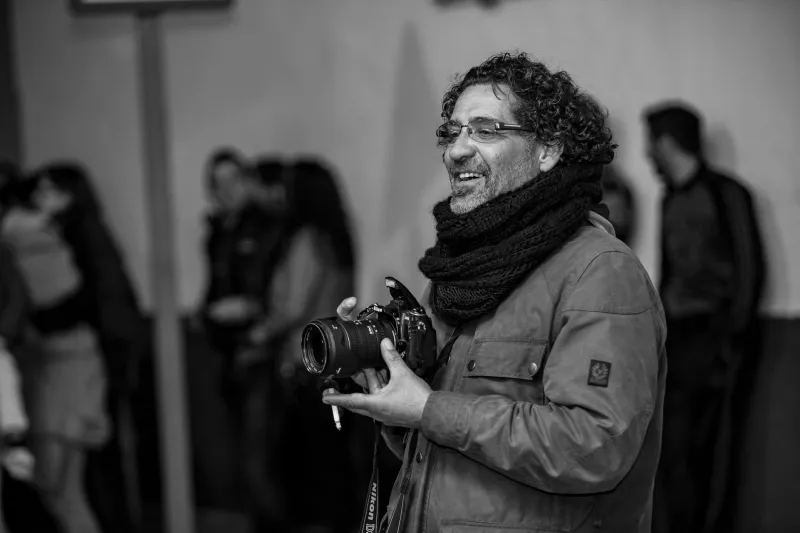
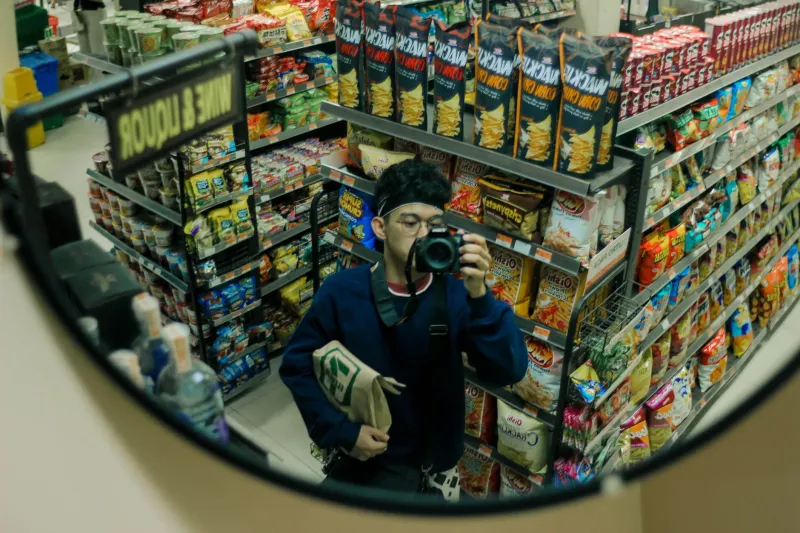
There's a moment in almost every portrait session I've ever shot where something shifts. The subject has just nailed a pose — shoulders back, chin tilted, eyes locked in — and I say something like, "Perfect, let's try something different." They relax. Their jaw softens. Maybe they glance down at their shoes or turn to say something to their partner standing just off frame. And that's when I keep shooting.
That moment? That's usually the one they end up printing and hanging on the wall.
I've been thinking a lot about why that is, and I think it comes down to something pretty simple: we've spent so long being trained to perform for cameras that we've almost forgotten what we actually look like when no one's watching. The in-between seconds — the transitions, the exhales, the almost-laughs — are where real life lives. And as photographers, if we're not capturing those moments, we're only telling half the story.
Why Posed Portraits Can Only Take You So Far
Don't get me wrong. A well-directed portrait is a craft worth mastering. Understanding how to shape light, guide posture, and draw out genuine expression through direction — that's real skill. But there's a ceiling to what a posed image can communicate.
Poses are performances. And performances, by definition, are rehearsed. When someone is actively thinking about where their hands are or whether their smile looks natural, that self-consciousness writes itself onto the image whether they realize it or not. Viewers can feel it, even if they can't name it. There's a slight tension behind the eyes. A smile that's a beat too held. A stillness that reads as stiffness rather than calm.
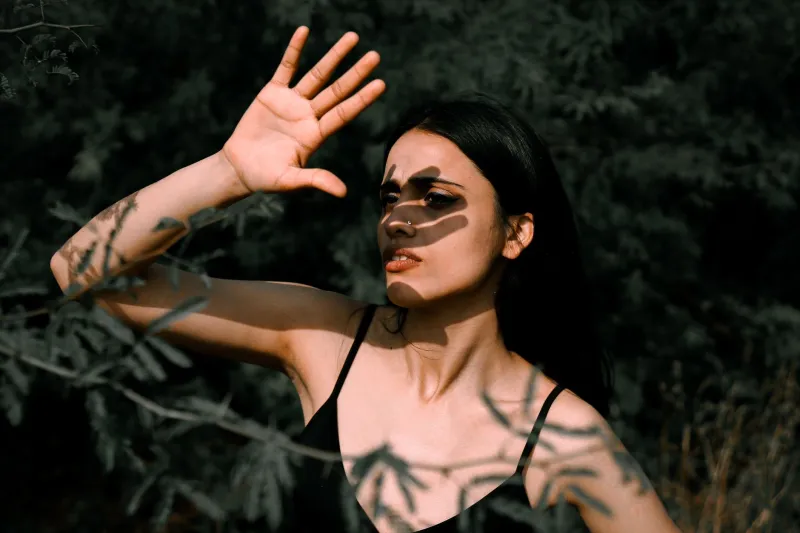
The transitional moment — the second the direction ends — strips all of that away. The subject's nervous system hasn't caught up yet. Their guard drops before their brain tells it to. And that's where the photograph stops being a representation of a person and starts being that person.
What's Actually Happening in Those In-Between Seconds
From a purely technical standpoint, the transitional moment is short. We're talking one to three seconds, sometimes less. Which means you have to be ready before it happens.
I keep my shutter speed high and my burst mode on during transitions. I'm not waiting for the moment — I'm already in it. The key is learning to read body language well enough to anticipate the shift. Watch for the breath. When someone exhales after holding a pose, their whole face changes. Watch the eyes — they tend to drop or drift before the subject recomposes. That drift is gold.
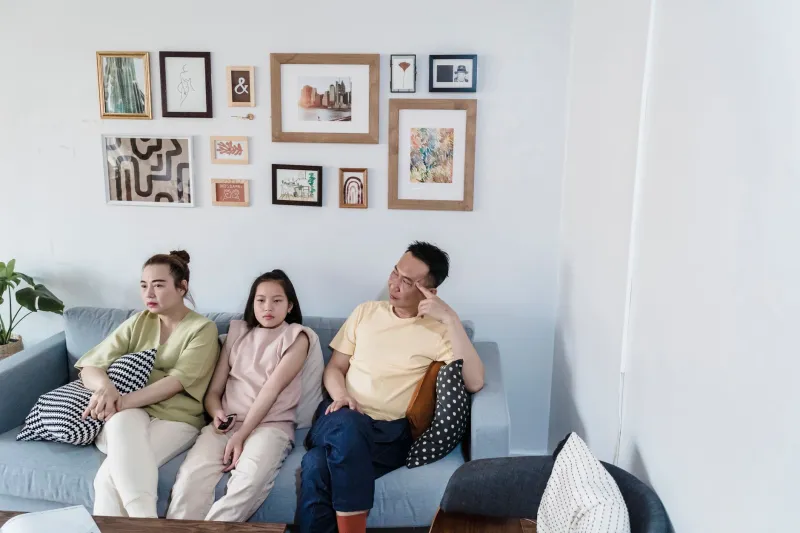
I also pay attention to what happens when subjects interact with someone they're comfortable with. A couple breaking from a directed pose to exchange a quick look. A mom whose kid says something funny right as I'm moving to a new angle. A senior portrait subject who glances back at their best friend waiting on the sidelines and breaks into a completely unguarded grin. None of that is staged. All of it is real. And real, in portrait photography, is increasingly what American clients are asking for by name.
Creating the Kind of Safety That Makes People Forget the Camera
Here's the thing nobody talks about enough: the in-between moments only happen if your subject trusts you. You can't manufacture that kind of vulnerability through technique alone. You have to earn it.
I spend the first ten to fifteen minutes of every session doing almost nothing photographic. We talk. I ask about their dog, their job, what they've been watching lately. I make it clear there's no wrong answer, no bad pose, no ruined shot. I want them to understand that I'm not here to catch them looking bad — I'm here to catch them looking real.
I also narrate what I'm doing more than most photographers might. "I'm going to keep shooting while we move to the next spot" takes the pressure off the transition. They're not bracing for the next pose. They're just walking, talking, existing. And I'm right there with them.
Another thing that helps: humor. Not forced, try-hard humor — just genuine, easy conversation that makes people laugh without warning. An unscripted laugh is one of the most beautiful things a camera can catch, and it almost always happens in the in-between.
Why Clients Are Starting to Request These "Accidents"
Over the last few years, I've noticed a real shift in what clients pull from their galleries. The highly directed, technically perfect shots are appreciated — but the ones that get framed, texted to grandma, and turned into holiday cards? More and more, those are the candid in-betweens.
I think this reflects something broader happening in American visual culture. We've been saturated with curated, filtered, heavily produced imagery for so long that authenticity has become genuinely rare — and therefore genuinely valuable. People can scroll past a hundred technically flawless portraits without feeling anything. But one image of a dad looking at his kid with completely unguarded love? That stops the scroll.
That's the image that matters. And it almost never happens on purpose.
Keeping Your Finger on the Shutter
If there's one practical takeaway from all of this, it's simple: don't stop shooting when the pose ends. The session isn't on pause just because the direction is. Keep your camera up. Keep your eye on your subject. Stay curious about what happens next.
The best portrait you'll ever take of someone is probably waiting in the two seconds after they think you're done. Be there for it.