Nobody Talks About What Happens Between the Clicks — But That's Where the Real Portrait Lives

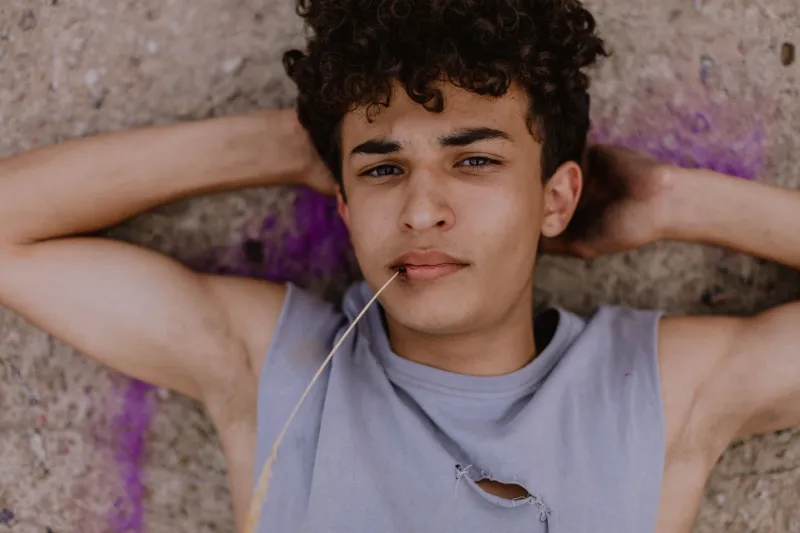
Photo by Photo by Vitaly Gariev on Unsplash on Unsplash
There's a moment that happens in almost every session I shoot. The light is good, the subject is warmed up, and I'm adjusting something on my camera — maybe pulling back the exposure a stop, maybe switching lenses. Nobody's performing. Nobody's waiting for a cue. And that's exactly when somebody's face does something I couldn't have asked for in a hundred different ways.
I've started thinking of those moments as the actual session. Everything else is scaffolding.
Why Posing Can Only Take You So Far
There's nothing wrong with direction. Telling someone where to put their hands, how to angle their chin, when to look toward the window — that's real craft, and it matters. But direction, by its very nature, creates a performance. The person in front of your lens is responding to an instruction, and that response, however natural it looks, is still filtered through the part of the brain that says okay, I'm being photographed right now.
The pauses don't have that filter.
When a photographer steps back to check the back of the camera, or when they're fumbling with a reflector, or when they say "just give me one second" — the subject exhales. The mask doesn't drop dramatically. It just... softens. And in that softening, something true comes through that no amount of coaching could manufacture.
This isn't a new observation. Documentary photographers have built entire careers on the principle that the in-between is where life actually lives. But in portrait work — especially family sessions, senior portraits, lifestyle shoots — we don't always give those pauses the credit they deserve.
What the Subject Is Experiencing
Ask anyone who's been photographed professionally and most of them will tell you the same thing: the hardest part is not knowing what to do with their face when nobody's actively telling them. That liminal space — after the last direction and before the next one — feels exposed in a way that posing doesn't.
And that exposure? That's the gold.
One of my clients, a mom I photographed with her two teenage kids last fall, told me afterward that the shot she loved most was one where she was looking down at her phone adjusting her hair clip. She wasn't ready. She wasn't "on." She was just a person standing in a field being herself for a half second. That's the one she printed and hung in her hallway.
The reason is pretty simple: it looked like her. Not a version of her that was trying to look like her — actually her.
The Photographer's Side of the Pause
Here's what's interesting from behind the lens: those quiet moments require a different kind of attention than directed shooting does. When you're giving instructions, you're in control of the frame. When you're waiting, you have to be ready for anything, and you have to be invisible enough that the subject forgets you're watching.
That invisibility is a skill. It's built through conversation, through humor, through genuinely making the person across from you feel like the camera is just along for the ride. The more relaxed someone is in your presence — not in front of your lens, but in your presence — the more likely those in-between moments are to yield something real.
I've started being more deliberate about creating pauses. Not faking a camera adjustment, but genuinely building in breathing room. Saying "let's just hang out for a second" and then not shooting. Letting the energy settle. Letting people forget they came here for portraits.
The Technical Case for Staying Ready
From a pure craft standpoint, capturing these moments requires a few things working in your favor. You need a shutter speed that can handle the unexpected — someone turning their head, a laugh that comes out of nowhere, a child breaking away from the group to chase something on the ground. You need to be in a mode that lets you shoot without winding up for a shot.
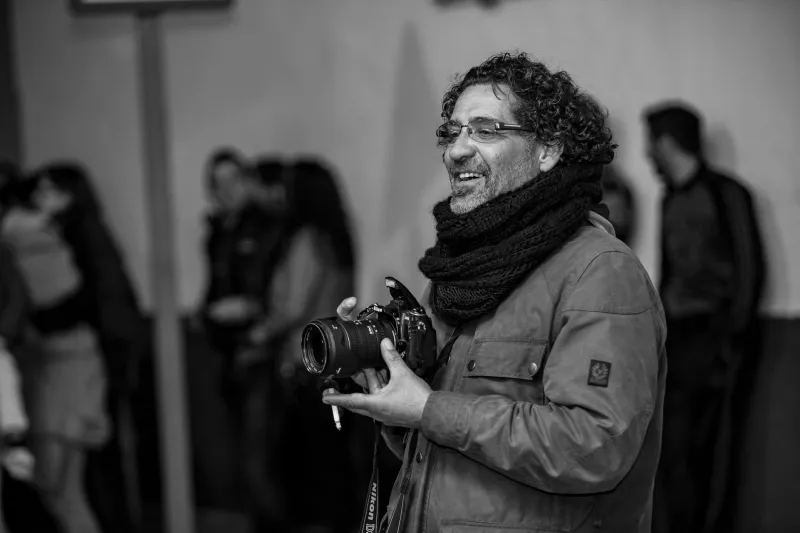
For me, that usually means staying in continuous shooting mode even when I'm "between" frames, keeping my eye somewhere near the viewfinder, and resisting the urge to fully lower the camera when I'm adjusting settings. It sounds small, but the difference between catching a moment and missing it is often just the half-second it takes to raise the camera.
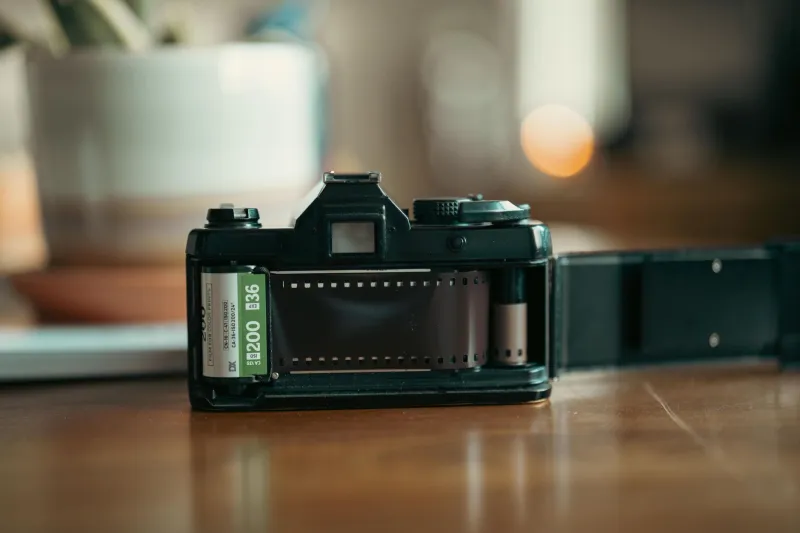
It also means trusting your exposure enough that you're not constantly chimping the screen. Every time you look down at the back of your camera to review a shot, you're taking your attention off the scene. Those reviews have their place — but not in the middle of a moment that's already happening.
What These Moments Say About a Person
Portraits are supposed to tell a story. That's the whole point — not just to document what someone looks like, but to say something about who they are. And the truest version of who someone is rarely shows up when they're trying to present it.
The pause reveals things. The way a dad looks at his daughter when he thinks nobody's watching. The private smile a senior gives to the ground after saying something embarrassing. The way a couple stands next to each other in silence — not posed, not performing, just existing in the same space in the way they always do.
That's the visual story I'm always trying to tell. The directed shots give you the structure. The pauses give you the soul.
Next time you're in a session — whether you're the photographer or the subject — pay attention to what happens in the gaps. The camera isn't always clicking. But something is always being said.